

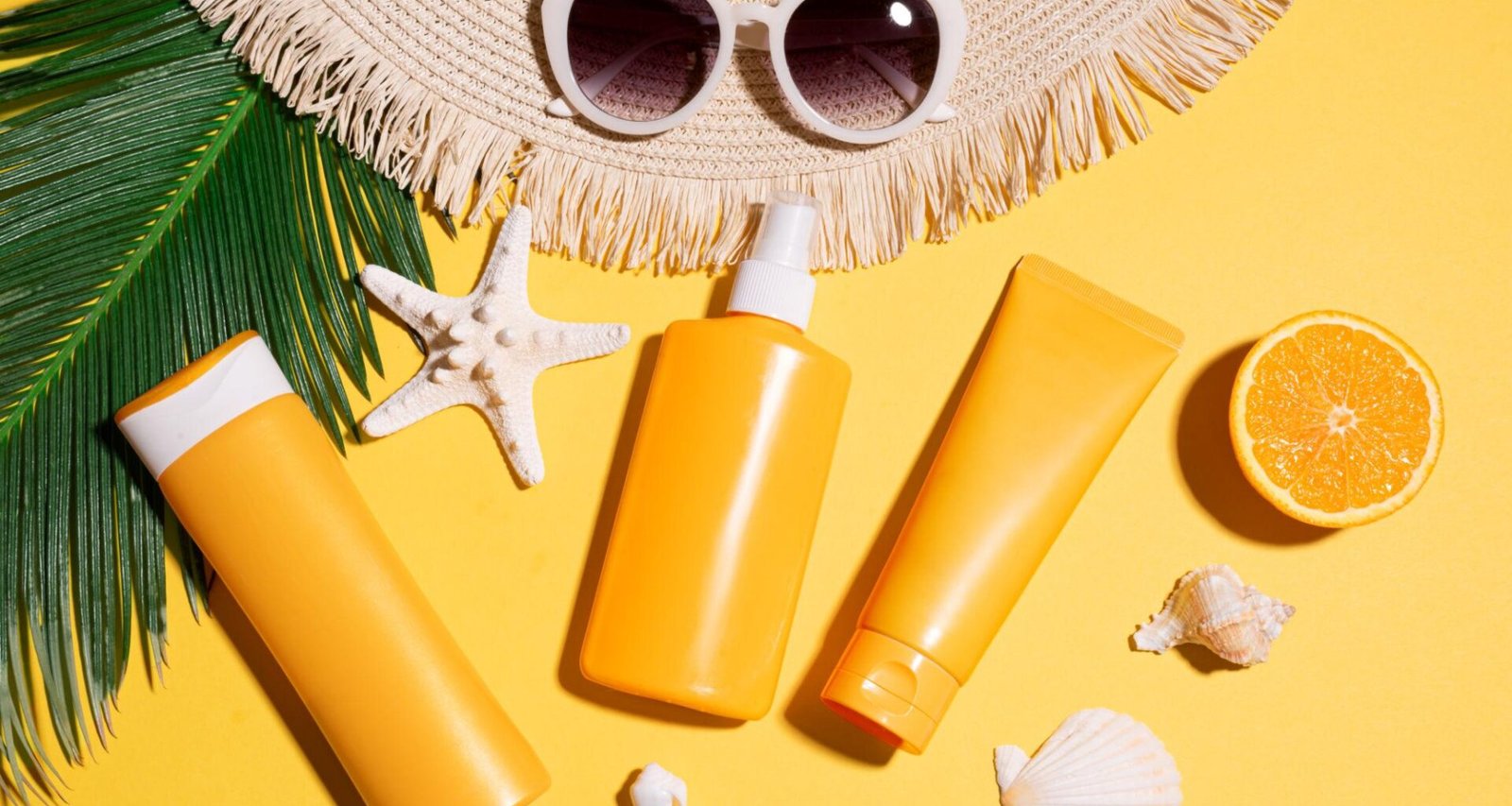
Sunscreen is one of the most important products you can add to your daily skincare routine. Whether you want to protect your skin from sunburn, reduce the visible signs of premature aging, or prevent existing dark spots from becoming more noticeable, the right sunscreen can make a meaningful difference.
However, finding the best sunscreen for everyday use is not always straightforward. Some formulas feel greasy, others leave a white cast, and certain products may irritate sensitive skin or feel uncomfortable under makeup.
The good news is that you do not need the most expensive sunscreen to protect your skin effectively. What matters most is choosing a product with appropriate sun protection, applying enough of it, and using it consistently.
For most adults, a good everyday sunscreen should offer broad-spectrum protection, SPF 30 or higher, and a comfortable formula that suits their skin type. Water resistance is particularly important if you sweat, swim, or spend extended periods outdoors.
In this guide, we explain how to choose sunscreen for different skin types, compare mineral and chemical formulas, explain SPF ratings, and share practical tips for getting the most from your daily sun protection routine.
Why Should You Wear Sunscreen Every Day?
Sunlight contains ultraviolet radiation that can damage the skin. The two main types relevant to everyday sun protection are UVA and UVB rays.
UVA rays contribute to premature skin aging, including wrinkles and changes in pigmentation. UVB rays are a major cause of sunburn. Both contribute to skin cancer risk.
Regular sun protection can help reduce these risks and support healthier-looking skin over time.
1. Sunscreen Helps Protect Against Premature Skin Aging
Repeated exposure to ultraviolet radiation can contribute to fine lines, wrinkles, uneven pigmentation, and loss of skin elasticity.
Using sunscreen consistently helps protect against UV-related skin damage. If you are investing in anti-aging skincare products, daily sun protection is an important part of the routine.
2. Sunscreen Helps Prevent Sunburn
Sunburn occurs when ultraviolet exposure damages skin cells. The risk depends on factors such as UV intensity, exposure duration, skin characteristics, and the protection you use.
A broad-spectrum sunscreen with SPF 30 or higher, applied correctly, helps reduce the risk of sunburn. Protective clothing and shade provide additional protection.
3. Sunscreen Can Help Prevent Dark Spots From Worsening
Sun exposure can make certain forms of pigmentation more noticeable, including melasma and post-inflammatory hyperpigmentation.
For people concerned about dark marks after acne, uneven skin tone, or melasma, consistent sun protection is particularly important.
Tinted sunscreens containing iron oxides may provide additional protection against visible light, which can contribute to pigmentation in some people.
4. Sunscreen Supports an Effective Skincare Routine
Ingredients such as vitamin C and retinoids may be useful for specific skin concerns, but they do not replace sun protection.
If your routine includes products targeting dark spots, fine lines, or uneven texture, sunscreen helps protect your skin from additional UV damage.
The American Academy of Dermatology recommends choosing sunscreen with SPF 30 or higher, broad-spectrum protection, and water resistance when appropriate.
Source: American Academy of Dermatology — How to select a sunscreen.
What Makes a Good Everyday Sunscreen?
Before choosing a sunscreen based on its packaging, fragrance, or popularity, check its protection level and whether the formula suits your skin.
Broad-Spectrum Protection
Broad-spectrum sunscreen protects against both UVA and UVB radiation.
This matters because a product that mainly protects against sunburn may not provide the same level of protection against the broader effects of UV exposure.
Look for the words broad spectrum on the label, where that terminology is used by the relevant regulatory system.
SPF 30 or Higher
SPF stands for Sun Protection Factor. It measures protection against sunburn caused primarily by UVB radiation under standardized testing conditions.
SPF 30 is a practical minimum for most everyday routines. SPF 50 or SPF 50+ may be useful when UV exposure is high, particularly during extended outdoor activities.
However, a higher SPF does not mean you can apply less sunscreen or skip reapplication.
Water Resistance
If you exercise outdoors, sweat heavily, or spend time swimming, choose a water-resistant sunscreen.
Depending on the product and the applicable labeling standards, water resistance may be indicated for 40 or 80 minutes. No sunscreen is completely waterproof.
Follow the product instructions and reapply after swimming, sweating, or towel drying.
A Formula You Will Actually Use
A sunscreen provides practical protection only when you apply it adequately and consistently.
Consider its texture, finish, fragrance, packaging, and how it feels under makeup or moisturizer.
A lightweight sunscreen that you enjoy using every morning may be a better everyday choice for you than a thicker product you regularly avoid.
The Best Sunscreens for Different Skin Types
There is no single sunscreen that is ideal for everyone. The best option depends on your skin type, sensitivity, preferred finish, and how much time you spend outdoors.
1. Best Sunscreen for Oily Skin
If your skin becomes shiny during the day, look for a lightweight sunscreen with a gel, fluid, or oil-free formulation.
Useful features include:
- A lightweight, non-greasy finish.
- Non-comedogenic labeling, particularly if you are prone to clogged pores.
- Broad-spectrum protection with SPF 30 or higher.
- A finish that works comfortably under makeup.
Some sunscreens marketed for oily skin contain ingredients designed to reduce shine. However, a matte finish is a cosmetic preference rather than a requirement for effective sun protection.
You do not need to avoid sunscreen because your skin produces excess oil. Instead, experiment with formulas until you find one that feels comfortable.
2. Best Sunscreen for Dry Skin
Dry skin often benefits from a sunscreen with a moisturizing cream or lotion texture.
Look for formulas containing ingredients such as glycerin, ceramides, or other moisturizing agents that help maintain skin hydration.
A moisturizing sunscreen can simplify your morning routine by providing sun protection and hydration in one step.
If your skin is extremely dry, you may still benefit from applying a separate moisturizer before sunscreen.
Avoid assuming that a richer formula will automatically clog pores. The overall formulation and your individual skin response matter more than texture alone.
3. Best Sunscreen for Sensitive Skin
If your skin frequently stings, burns, or becomes irritated when you apply skincare products, choose a sunscreen formulated for sensitive skin.
Mineral sunscreens containing zinc oxide, titanium dioxide, or both may be worth considering because some people with sensitive skin tolerate them better.
Fragrance-free products may also reduce the likelihood of irritation for certain individuals.
However, no sunscreen ingredient is guaranteed to suit everyone. If a product repeatedly causes burning, swelling, or a rash, stop using it and seek medical advice if symptoms persist.
4. Best Sunscreen for Dark Skin
People with darker skin tones still benefit from daily sun protection. Although darker skin generally has more natural protection against sunburn, it remains susceptible to UV-related skin damage and pigmentation changes.
One common challenge is finding a sunscreen that does not leave a noticeable white or grey cast.
Consider the following options:
- Tinted sunscreen: A formula with a shade that matches your complexion may provide a more natural finish.
- Chemical sunscreen: Some formulas are designed to blend transparently into the skin.
- Sheer mineral sunscreen: Certain formulations minimize visible residue, although performance and finish vary by product.
If dark spots or melasma are a particular concern, consider a tinted sunscreen containing iron oxides. These pigments can provide additional protection against visible light as well as UV radiation.
Choose a product that still offers broad-spectrum SPF 30 or higher protection. A good cosmetic finish should not come at the expense of adequate sun protection.
5. Best Sunscreen for Acne-Prone Skin
People with acne-prone skin may prefer a lightweight, non-comedogenic sunscreen.
Look for a formula that feels comfortable without leaving excessive residue. Gel-creams, lotions, and lightweight fluids may work well, depending on your preferences.
You do not need to purchase a sunscreen specifically marketed as an acne treatment. The main goal is to find reliable sun protection that does not aggravate your skin.
If you use acne treatments such as retinoids, sun protection is particularly important. Your overall skincare routine should also include a gentle cleanser and a suitable moisturizer.
6. Best Sunscreen for Combination Skin
Combination skin can be oily in the T-zone and dry in other areas.
A lightweight lotion or fluid sunscreen may provide a comfortable balance, but your choice should depend on how your skin responds.
If your forehead and nose become shiny while your cheeks feel dry, you can adjust your moisturizer by area rather than choosing a sunscreen that leaves your entire face feeling uncomfortable.
Consistency is more important than finding a product marketed specifically for combination skin.
Mineral vs. Chemical Sunscreen: Which Is Better?
Mineral and chemical sunscreens can both provide effective protection when appropriately formulated, tested, and used according to their instructions.
The main differences involve their active ingredients, cosmetic finish, and how they interact with the skin.
| Feature | Mineral sunscreen | Chemical sunscreen |
|---|---|---|
| Common active ingredients | Zinc oxide and titanium dioxide | Organic UV filters, which vary by formulation |
| Skin feel | Can feel thicker or leave visible residue | Often available in lightweight or transparent finishes |
| White cast | More likely with some formulations | Often less noticeable, depending on the formula |
| Sensitive skin | May suit some people with reactive skin | Some formulas can irritate certain individuals |
| Best use | Depends on the formula and skin preference | Depends on the formula and skin preference |
| Protection | Can protect against UVA and UVB, depending on formulation and testing | Can protect against UVA and UVB, depending on formulation and testing |
Is Mineral Sunscreen Better?
Not necessarily. Mineral sunscreen can be a good choice if you prefer zinc oxide or titanium dioxide, or if certain other formulas irritate your skin.
However, some mineral sunscreens leave a visible cast or feel heavy when applied in sufficient quantities.
Is Chemical Sunscreen Better?
Chemical sunscreens can offer lightweight textures and finishes that blend easily into the skin.
They may be convenient for everyday use, exercise, or wearing under makeup. However, individual ingredients and formulations differ, and some people experience irritation with particular products.
The best sunscreen is not automatically mineral or chemical. It is a well-formulated product that provides adequate protection and that you can apply generously and consistently.
SPF 30 vs. SPF 50: Which Should You Choose?
SPF ratings can be confusing because the difference between SPF 30 and SPF 50 is not as simple as their numbers suggest.
Under standardized testing conditions, SPF 30 filters approximately 97% of UVB rays, while SPF 50 filters approximately 98%. These figures are approximate and do not represent a guarantee of real-world protection.
Both products can provide useful protection, but neither blocks all UV radiation.
| SPF rating | Approximate UVB filtration under test conditions | Practical guidance |
|---|---|---|
| SPF 15 | 93% | Lower than the usual daily recommendation from dermatologists |
| SPF 30 | 97% | A practical minimum for everyday use |
| SPF 50 | 98% | Offers somewhat greater protection when applied correctly |
| SPF 50+ | Depends on the applicable testing standard | May be useful for higher-exposure situations |
These figures describe UVB filtration under laboratory testing, not protection against every type of UV damage. Broad-spectrum coverage remains important.
Choose SPF 30 or higher for regular daily use. If you spend long periods outdoors, have a history of significant sun damage, or are managing pigmentation concerns, a higher-SPF product may be a sensible option.
Regardless of the SPF rating, apply enough product and reapply as directed.
How to Apply Sunscreen Correctly
Even a high-quality sunscreen may provide less protection than expected if you apply too little or forget to reapply.
Step 1: Apply It Generously
Use enough sunscreen to cover all exposed skin evenly.
For the face, the American Academy of Dermatology suggests approximately one teaspoon as a practical guide for an adult’s face, although the exact amount depends on facial size and product consistency.
For the body, an average adult generally needs about one ounce to cover exposed skin when wearing a typical swimsuit.
Do not rely on a very thin layer simply because the sunscreen has a high SPF rating.
Step 2: Apply It Before Sun Exposure
Follow the product instructions. Many sunscreens recommend applying approximately 15 minutes before going outdoors.
Apply sunscreen as the final step of your morning skincare routine, after moisturizer and before makeup.
Step 3: Cover All Exposed Areas
Commonly missed areas include:
- Ears and the back of the neck.
- The hairline and exposed scalp.
- The tops of the feet and hands.
- The lips, using an SPF lip balm.
- Areas around clothing edges that remain exposed.
Step 4: Reapply Every Two Hours Outdoors
Reapply sunscreen at least every two hours while outdoors, and sooner after swimming, heavy sweating, or towel drying according to the product’s instructions.
Water-resistant products still need reapplication. Do not assume that a morning application will protect you for the entire day.
Step 5: Combine Sunscreen With Other Protection
Sunscreen is only one part of a sun-protection strategy.
Wear protective clothing, use sunglasses, seek shade when appropriate, and consider a wide-brimmed hat during extended outdoor exposure.
For additional guidance, see the American Academy of Dermatology’s sunscreen application recommendations.
Should You Wear Sunscreen Indoors?
Your need for sunscreen indoors depends on your environment and exposure.
UVA rays can pass through ordinary window glass, so people sitting near sunny windows for long periods may still receive meaningful exposure.
If you work near large windows, spend time in sunlit rooms, or frequently move between indoor and outdoor environments, applying sunscreen in the morning is a practical precaution.
However, sunscreen use should be based on your circumstances rather than the assumption that every indoor environment creates the same level of exposure.
Cloudy weather also does not eliminate UV exposure. For most people, a consistent daily sun-protection routine is easier than deciding whether to apply sunscreen based solely on how bright the sky looks.
How to Incorporate Sunscreen Into Your Skincare Routine
Sunscreen should fit comfortably into your existing skincare routine.
Morning Routine
- Cleanser: Remove overnight oil and residue with a gentle cleanser.
- Treatment serum: Apply vitamin C or another suitable skincare treatment if desired.
- Moisturizer: Use a moisturizer appropriate for your skin type.
- Sunscreen: Apply broad-spectrum SPF 30 or higher generously.
If your sunscreen provides sufficient hydration, you may not need a separate moisturizer.
Evening Routine
Sunscreen is not a substitute for nighttime skincare. In the evening, gently cleanse your skin to remove sunscreen, makeup, oil, and environmental residue.
Follow with a suitable moisturizer and any treatments recommended for your skin concerns.
If you use water-resistant sunscreen or makeup, a suitable makeup remover or cleansing oil may help remove the products effectively.
Common Sunscreen Mistakes to Avoid
Applying Too Little
Using less sunscreen than recommended reduces the protection you receive. Apply it generously rather than trying to stretch a bottle over too many applications.
Forgetting to Reapply
Sunscreen gradually wears off. Reapply every two hours while outdoors and after swimming or sweating, following the label.
Choosing SPF Without Checking Broad-Spectrum Protection
SPF mainly indicates protection against sunburn-related UV radiation. Look for broad-spectrum protection to cover both UVA and UVB rays.
Assuming Dark Skin Does Not Need Sunscreen
Darker skin can still experience pigmentation changes, premature aging, and UV-related skin damage. Sun protection remains important for every skin tone.
Relying Only on Makeup With SPF
Foundation or tinted moisturizer with SPF may contribute some protection, but people often apply less makeup than the amount needed to achieve the labeled SPF.
Use a dedicated sunscreen underneath makeup unless your makeup product is being applied in sufficient quantities and provides appropriate tested protection.
Choosing a Product You Dislike
If a sunscreen feels greasy, irritates your skin, or leaves an uncomfortable cast, you may be less likely to use it consistently.
Trying a different texture or formulation can help you find an option that fits your routine.
Frequently Asked Questions
What is the best sunscreen for everyday use?
The best everyday sunscreen is generally a broad-spectrum product with SPF 30 or higher that suits your skin type and is comfortable enough to use consistently. Choose a water-resistant formula when swimming or sweating.
Is SPF 30 enough for everyday use?
SPF 30 is a practical minimum for most daily routines when applied correctly. SPF 50 or higher can provide additional protection, particularly during extended outdoor exposure, but no SPF eliminates the need for adequate application and reapplication.
Which sunscreen is best for oily skin?
A lightweight gel, fluid, or oil-free formula may suit oily skin. Look for non-comedogenic labeling if you are prone to clogged pores, and choose a finish that feels comfortable throughout the day.
Which sunscreen is best for dark skin?
A tinted sunscreen or a well-formulated transparent sunscreen may reduce visible white cast. If pigmentation is a concern, consider a tinted formula containing iron oxides, alongside broad-spectrum UV protection.
Is mineral sunscreen safer than chemical sunscreen?
Neither category is automatically safer or better for everyone. Both can provide effective sun protection. Your choice should account for the formulation, skin tolerance, appropriate testing, and local regulatory standards.
Should I wear sunscreen every day if it is cloudy?
Yes, daily sunscreen can still be useful on cloudy days because clouds do not block all ultraviolet radiation. Your level of exposure varies with location, season, time outdoors, and other environmental factors.
How often should I reapply sunscreen?
Reapply at least every two hours while outdoors, and after swimming, sweating, or towel drying, following the product instructions.
Can sunscreen help prevent dark spots?
Consistent sun protection helps prevent UV-related pigmentation from worsening. Tinted sunscreens containing iron oxides may also provide additional protection against visible light, which can contribute to certain pigmentation conditions.
Can I use sunscreen if I have sensitive skin?
Yes. Look for products formulated for sensitive skin, and consider fragrance-free options. Mineral formulas may suit some people with reactive skin, but individual tolerance varies.
Does sunscreen expire?
Yes. Sunscreen can lose effectiveness over time. Check the expiration date and storage instructions, and replace products that have expired or show changes in color, smell, or consistency. Do not leave sunscreen exposed to excessive heat.
Final Verdict: Which Sunscreen Should You Buy?
The best sunscreen for everyday use is the one that combines reliable protection with a formula that suits your skin and lifestyle.
For most adults, start with broad-spectrum SPF 30 or higher. Choose a lightweight formulation if your skin is oily, a moisturizing formula if it is dry, and a suitable fragrance-free or mineral option if your skin is sensitive. If you have darker skin or are concerned about pigmentation, look for a tinted formula that blends well with your complexion.
Most importantly, apply sunscreen generously, reapply it as directed, and combine it with shade and protective clothing when appropriate.
You do not need an expensive sunscreen or an elaborate skincare routine to begin protecting your skin. Consistency, correct application, and a suitable formula are what make daily sun protection worthwhile.
Medical note: This article provides general skincare education and does not replace individualized medical advice. Seek guidance from a qualified healthcare professional if you have a history of skin cancer, a photosensitive condition, or persistent skin reactions to sunscreen.
Sources and Further Reading
- American Academy of Dermatology. How to select a sunscreen.
- American Academy of Dermatology. How to apply sunscreen.
- U.S. Food and Drug Administration. Sunscreen: How to help protect your skin from the sun.
- Photoprotection for Skin of Color. Journal of the American Academy of Dermatology, 2022.
This guide is informational and does not replace individualized advice from a qualified professional.

1 comment